Showing posts with label hot sauce. Show all posts

Monday, May 27, 2019

One of America's Favorites - Fried Chicken

Fried Chicken - A chicken breast, wing, leg and thigh fried
Fried chicken (also referred to as Southern fried chicken for the variant in the United States) is a dish consisting of chicken pieces usually from broiler chickens which have been floured or battered and then pan-fried, deep fried, or pressure fried. The breading adds a crisp coating or crust to the exterior of the chicken. What separates fried chicken from other fried forms of chicken is that generally the chicken is cut at the joints, and the bones and skin are left intact. Crisp well-seasoned skin, rendered of excess fat, is a hallmark of well made fried chicken.

The first dish known to have been deep fried was fritters, which were popular in the European Middle Ages. However, it was the Scottish who were the first Europeans to deep fry their chicken in fat (though without seasoning). Meanwhile, a number of West African peoples had traditions of seasoned fried chicken (though battering and cooking the chicken in palm oil). Scottish frying techniques and West African seasoning techniques were combined by enslaved Africans and African-Americans in the American South.

When being cooked, fried chicken is often divided into smaller pieces. The chicken is then generally covered in a batter, often consisting of ingredients such as eggs or milk, and a thickener such as flour. This is used to create a crust on the exterior of the meat. In addition, seasoning is often added at this stage. Once the chicken is ready to be cooked, it is placed in a deep fryer, frying pan or pressure cooker (depending on the method used) and fried in lard or a type of oil.

Fried chicken has been described as being "crunchy" and "juicy", as well as "crispy". In addition, the
Paschal's fried chicken, Atlanta, Georgia
dish has also been called "spicy" and "salty". Occasionally, fried chicken is also topped with a chili like paprika, or hot sauce to give it a spicy taste. This is especially common in fast food restaurants and chains such as KFC. The dish is traditionally served with mashed potato, gravy, macaroni and cheese, coleslaw and biscuits.

The dish is renowned for being greasy, especially when coming from fast food outlets. It has even been reported that some of those who enjoy eating the food limit themselves to eating it only a certain number of times a year, to keep their fat intake reasonably low. Out of the various parts of the animal used in fried chicken, the wings generally tend to contain the most fat, with almost 40 grams (0.088 lb) of fat for every 100 grams (0.22 lb). However, the average whole fried chicken contains only around 12% fat, or 12 grams (0.026 lb) per every 100 grams (0.22 lb). As well as this, 100 grams (0.22 lb) grams of fried chicken generally contains around 240 calories of energy.

One of the main causes of the large amounts of fat which can be found in fried chicken is the oil which is used to cook it.

Generally, chickens are not fried whole; instead, the chicken is divided into its constituent pieces. The two white meat sections are the breast and the wing from the front of the chicken, while the dark meat sections are the thigh and leg or "drumstick" from the rear of the chicken. These pieces are usually subdivided into the wings, the breasts (the wishbone is often cut out first in home cooking), the legs, and the thighs. The ribs are sometimes left on the breast, but commercially they and the back are usually discarded. Chicken fingers, which are boneless pieces of chicken breast cut into long strips, are also commonly used.

To prepare the chicken pieces for frying, they may be coated in a batter of flour and liquid (and seasonings) mixed together. The batter can contain ingredients like eggs, milk, and leavening. Alternatively, they may be dredged in flour or a similar dry substance, to coat the meat and to develop a crust. Seasonings such as salt, pepper, cayenne pepper, paprika, garlic powder, onion powder, or ranch dressing mix can be mixed in with the flour. Either process may be preceded by marination or by dipping in buttermilk, the acidity of which acts as a eat tenderizer. As the pieces of chicken cook, some of the moisture that exudes from the chicken is absorbed by the coating of flour and browns along with the flour, creating a flavorful crust. According to Nathan Bailey's 1736 cookbook, Dictionarium Domesticum, for example, the chicken can be covered in a marinade that consists of the juice of two large fresh lemons, malt vinegar, bay leaves, salt, pepper, ground cloves, and green onions; it then must be settled in the marinade for three hours before being dipped in the batter that consists of all-purpose flour, white wine, three egg yolks and salt, and then slowly submerged in a deep pot of either oil, lard, or clarified butter over an open fire. It can then be topped with fresh, dried parsley dipped in the same frying oil.

Traditionally, lard is used to fry the chicken, but corn oil, peanut oil, canola oil, or vegetable oil are
Frying chicken upper wings in corn oil
also frequently used (although clarified butter may be used as well like in colonial times. The flavor of olive oil is generally considered too strong to be used for traditional fried chicken, and its low smoke point makes it unsuitable for use. There are three main techniques for frying chickens: pan frying, deep frying and broasting.

Pan frying (or shallow frying) requires a frying pan of sturdy construction and a source of fat that does not fully immerse the chicken. The chicken pieces are prepared as above, then fried. Generally the fat is heated to a temperature hot enough to seal (without browning, at this point) the outside of the chicken pieces. Once the pieces have been added to the hot fat and sealed, the temperature is reduced. There is debate as to how often to turn the chicken pieces, with one camp arguing for often turning and even browning, and the other camp pushing for letting the pieces render skin side down and only turning when absolutely necessary. Once the chicken pieces are close to being done the temperature is raised and the pieces are browned to the desired color (some cooks add small amounts of butter at this point to enhance browning). The moisture from the chicken that sticks and browns on the bottom of the pan become the fonds required to make gravy.

Deep frying requires a deep fryer or other device in which the chicken pieces can be completely submerged in hot fat. The process of deep frying is basically placing food fully in oil and then cooking it at a very high temperature. The pieces are prepared as described above. The fat is heated in the deep fryer to the desired temperature. The pieces are added to the fat and a constant temperature is maintained throughout the cooking process.

Broasting uses a pressure cooker to accelerate the process. The moisture inside the chicken becomes steam and increases the pressure in the cooker, lowering the cooking temperature needed. The steam also cooks the chicken through, but still allows the pieces to be moist and tender while maintaining a crisp coating. Fat is heated in a pressure cooker. Chicken pieces are prepared as described above and then placed in the hot fat. The lid is placed on the pressure cooker, and the chicken pieces are thus fried under pressure.

The derivative phrases "country fried" and "chicken fried" often refer to other foods prepared in the manner of fried chicken. Usually, this means a boneless, tenderized piece of meat that has been floured or battered and cooked in any of the methods described. Chicken fried steak is a common dish of that variety. Such dishes are often served with gravy.

Variants
* Barberton chicken, also known as Serbian Fried Chicken, is a version created by Serbian
Fried chicken
immigrants in Barberton, Ohio, that has been popularized throughout that state.
* Chicken Maryland, a form of pan-fried chicken, often marinated in buttermilk, served with cream gravy and native to the state of Maryland. The recipe spread beyond the United States to the haute cuisine of Auguste Escoffier and, after heavy modification, found a place in the cuisines of Britain and Australia. The dish is made when a pan of chicken pieces and fat, as for pan frying, is placed in the oven to cook, for a majority of the overall cooking time, basically "fried in the oven".
* Popcorn chicken, also known as chicken bites or other similar terms, are small morsels of boneless chicken, battered and fried, resulting in small pieces that resemble popcorn.
* Chicken and waffles, a combination platter of foods traditionally served at breakfast and dinner in one meal, common to soul food restaurants in the American South and beyond.
* Hot chicken: common in the Nashville, Tennessee area, a pan-fried variant of fried chicken coated with lard and cayenne pepper paste.
* Fried chicken sandwiches: a bun, biscuit or doughnut which is filled with fried chicken and assorted toppings, popular in Washington, D.C.


Monday, May 6, 2019

"Meatless Monday" Recipe of the Week - Vegan Buffalo Cauliflower Wings

This week's "Meatless Monday" Recipe of the Week is - Vegan Buffalo Cauliflower Wings. I came across a few versions of this recipe but I went with the one on the PBS Recipe site! I love their recipes and huge selection to choose from so check it out today! Who needs Meat! You can find this recipe at the PBS website. Enjoy and Make 2019 a Healthy One!  http://www.pbs.org/food/

Vegan Buffalo Cauliflower Wings
Ingredients
1 cup water
1/2 cup plus 2 tablespoons hot sauce of choice (I used Frank’s red hot), divided
3/4 cup all-purpose flour
1 teaspoon onion powder
1/2 teaspoon ground paprika
1/4 teaspoon salt
1/4 teaspoon freshly ground pepper
1 head of cauliflower, cut into florets
Handful of celery, trimmed and cleaned
Ranch dressing of choice (I used a store-bought vegan dressing)

Directions
1 - Preheat oven to 350 degrees F. To a measuring cup or small bowl, whisk together the water and 2 tablespoons of wing sauce. Set aside.
2 - In a large bowl, whisk together the flour, onion powder, paprika, salt and freshly ground pepper. Pour the water mixture into the flour mixture and mix until combined.
3 - Add the cauliflower and toss until combined. Transfer to a baking sheet and place in the oven to bake until cooked, about 15 minutes. (I used an air-fryer and it only needed about 10 minutes). Add the cauliflower to a bowl and toss with the additional wing sauce. Serve with slices of celery and ranch dressing.

http://www.pbs.org/food/recipes/vegan-buffalo-cauliflower-wings/

Friday, April 26, 2019

Kitchen Hint of the Day!

Bring on the Seasoning............


Ground Beef alone makes a pretty dull-tasting Hamburger, so make sure the Meat is mixed throughout with at least Salt and Pepper. Other ingredients, like Worcestershire Sauce, Hot Sauce, Grated Onions, or Lipton Onion Soup Mix will improve not only the taste but also the juiciness of your Hamburgers.

Monday, March 18, 2019

One of America's Favorites - Hot Sauce

Hot sauces come in many varieties.
Hot sauce, also known as chili sauce or pepper sauce, is any condiment, seasoning, or salsa made from chili peppers and other ingredients. A very popular addition to different types of food, hot sauce allows individuals to enhance the flavor of their meals.

Many commercial varieties of mass-produced chili sauce exist. Some commercially produced chili sauces are canned, with red tomato that is processed into a pulp used as the primary ingredient. The H. J. Heinz Company is one major producer of chili sauces. In the United States, commercially produced chili sauces are assigned various grades per their quality. These grades include U.S. Grade A (also known as U.S. Fancy), U.S. Grade C (also known as U.S. Standard) and Substandard. Criteria in food grading for chili sauces in the U.S. includes coloration, consistency, character, absence of defects and flavor.


Humans have used chili peppers and other hot spices for thousands of years. Inhabitants of Mexico, Central America and South America had chili peppers more than 6,000 years ago. Within decades of contact with Spain and Portugal in the 16th century, the American plant was carried across Europe and into Africa and Asia, and altered through selective breeding. One of the first commercially available bottled hot sauces in America appeared in 1807 in Massachusetts. Few of the early brands from the 1800s survive to this day, however. Tabasco sauce is the earliest recognizable brand in the United States hot sauce industry, appearing in 1868. As of 2010, it was the number 13 best-selling seasoning in the United States preceded by Frank's RedHot Sauce in 12th place, which was the sauce first used to create buffalo wings.
Original Tabasco red pepper sauce


Many recipes for hot sauces exist, but the only common ingredient is some variety of chili pepper. Many hot sauces are made by using chili peppers as the base and can be as simple as adding salt and vinegar. Other sauces use some type of fruits or vegetables as the base and add the chili peppers to make them hot. Manufacturers use many different processes from aging in containers to pureeing and cooking the ingredients to achieve a desired flavor. Because of their ratings on the Scoville scale, Ghost pepper and Habanero peppers are used to make the hotter sauces but additional ingredients are used to add extra heat, such as pure capsaicin extract and mustard oil. Other common ingredients include vinegar and spices. Vinegar is used primarily as a natural preservative, but flavored vinegars can be used to alter the flavor.


United States
The varieties of peppers that are used often are cayenne, chipotle, habanero and jalapeño. Some hot sauces, notably Tabasco sauce, are aged in wooden casks similar to the preparation of wine and fermented vinegar. Other ingredients, including fruits and vegetables such as raspberries, mangoes, carrots, and chayote squash are sometimes used to add flavor, mellow the heat of the chilis, and thicken the sauce's consistency. Artisan hot sauces are manufactured by smaller producers and private labels in the United States. Their products are produced in smaller quantities in a variety of flavors. Many sauces have a theme to catch consumers attention. A very mild chili sauce is produced by Heinz and other manufacturers, and is frequently found in cookbooks in the U.S. This style chili sauce is based on tomatoes, green and/or red bell peppers, and spices; and contains little chili pepper. This sauce is more akin to tomato ketchup and cocktail sauce than predominantly chili pepper-based sauces.

Sriracha sauce, a type of Californian hot chili sauce manufactured by Huy Fong Foods, has become increasingly popular in the United States in contemporary times.

Louisiana-style
Louisiana-style hot sauce contains red chili peppers (tabasco and/or cayenne are the most popular), vinegar and salt. Occasionally xanthan gum or other thickeners are used.
Frank's RedHot

* Frank's Red Hot Which claims to be the primary ingredient in the first buffalo wing sauce

* Louisiana Hot Sauce Introduced in 1928, A cayenne pepper based hot sauce produced by Southeastern Mills, Inc., in New Iberia, Louisiana

* Mad dog 357 Introduced in 1991 by Ashley Food Company deemed one of the hottest hot sauces produced in the United States.

* Tabasco sauce Earliest recognizable brand in the hot sauce industry, appearing in 1868.

* Texas Pete Introduced in 1929, developed and manufactured by the TW Garner Food Company in Winston-Salem, North Carolina

* Trappey's Hot Sauce Company was founded in 1898 Chili pepper water, used primarily in Hawaii, is ideal for cooking. It is made from whole chilies, garlic, salt, and water. Often homemade, the pungent end product must be sealed carefully to prevent leakage.

* Sriracha sauce, a traditional Thai hot sauce, made primarily of ground chilies, garlic, vinegar, sugar, and salt. Often called "rooster sauce" after the most widely sold U.S. brand, Huy Fong Foods.

New Mexico
New Mexican style chile sauces differ from others in that they contain no vinegar. Almost every traditional New Mexican dish is served with red or green chile sauce. The sauce is often added to meats, eggs, vegetables, breads, and some dishes are, in fact, mostly chile sauce with a modest addition of pork, beef, or beans.

* Green chile: This sauce is prepared from any fire roasted native green chile peppers, Hatch, Santa Fe, Albuquerque Tortilla Company, Bueno and Big Jim are common varieties. The skins are removed and peppers diced. Onions are fried in lard and a roux is prepared. Broth and chile peppers are added to the roux and thickened. Its consistency is similar to gravy, and it is used as such. It also is used as a salsa.

* Red chile: A roux is made from lard and flour. The dried ground pods of native red chiles are added. Water is added and the sauce is thickened.


The heat, or burning sensation, experienced when consuming hot sauce is caused by capsaicin and related capsaicinoids. The burning sensation is not "real" in the sense of damage being wrought on tissues. The mechanism of action is instead a chemical interaction with the neurological system.

The seemingly subjective perceived heat of hot sauces can be measured by the Scoville scale. The Scoville scale number indicates how many times something must be diluted with an equal volume of water until people can no longer feel any sensation from the capsaicin. The hottest hot sauce scientifically possible is one rated at 16,000,000 Scoville units, which is pure capsaicin. An example of a hot sauce marketed as achieving this level of heat is Blair's 16 Million Reserve (due to production variances, it is up to 16 million Scoville units), marketed by Blair's Sauces and Snacks. By comparison, Tabasco sauce is rated between 2,500 and 5,000 Scoville units (batches vary) - with one of the mildest commercially available condiments, Cackalacky Classic Condiment Company's Spice Sauce, weighing in at less than 1000 Scoville units on the standard heat scale.
Habanero, bell pepper and garlic hot sauce

A general way to estimate the heat of a sauce is to look at the ingredients list. Sauces tend to vary in heat based on the kind of peppers used, and the further down the list, the less the amount of pepper.

* Cayenne - Sauces made with cayenne, including most of the Louisiana-style sauces, are usually hotter than jalapeño, but milder than other sauces.
* Chile de árbol - A thin and potent Mexican chili pepper also known as bird's beak chile and rat's tail chile. Their heat index uses to be between 15,000 and 30,000 Scoville units, but it can reach over 100,000 units. In cooking substitutions, the Chile de árbol pepper can be traded with Cayenne pepper.
* Habanero - Habanero pepper sauces were known as the hottest natural pepper sauces, but nowadays species like Bhut jolokia, Naga jolokia or Trinidad Scorpion Moruga are even five or ten-fold hotter.
* Jalapeño - These sauces include green and red jalapeño chilis, and chipotle (ripened and smoked). Green jalapeño and chipotle are usually the mildest sauces available. Red jalapeño sauce is generally hotter.
* Naga Bhut Jolokia - The pepper is also known as Bhut Jolokia, ghost pepper, ghost chili pepper, red naga chilli, and ghost chilli. In 2007, Guinness World Records certified that the Ghost Pepper (Bhut Jolokia) was the world's hottest chili pepper, 400 times hotter than Tabasco sauce; however, in 2011 it has since been superseded by the Trinidad Moruga Scorpion.
* Piri piri - The Peri Peri pepper has been naturalized into South Africa and is also known as the African Bird's Eye pepper, Piri-Piri pepper or Pili-Pili pepper, depending on what area of the country you’re in. The pepper ranges from one half to one inch in length and tapers at a blunt point. The small package packs a mighty punch with a 175,000 rating on the Scoville scale, near the Habanero, but the Peri Peri is smaller and has a much different flavor. It is most commonly used in a hot sauce, combined with other spices and seasonings because it has a very light, fresh citrus-herbal flavor that blends well with the flavors of most other ingredients.
8 Scotch Bonnet - Similar in heat to the Habanero are these peppers popular in the Caribbean. Often found in Jamaican hot sauces.
* Tabasco peppers - Sauces made with tabasco peppers are generally hotter than cayenne pepper sauces. Along with Tabasco, a number of sauces are made using tabasco peppers.
* Trinidad Moruga Scorpion The golf ball-sized chili pepper has a tender fruit-like flavor. According to the New Mexico State University Chile Institute, the Trinidad Scorpion Moruga Blend ranks as high as 2,009,231 SHU on the Scoville scale.
* Carolina Reaper - The Carolina Reaper® is a super hot pepper which has been described as a roasted sweetness delivering an instant level of heat. Developed by Puckerbutt Founder Ed Currie in Rock Hill, South Carolina, the Carolina Reaper averages over 1.5 million SHU and was awarded the Guinness World Record in November of 2013.
* Capsaicin extract - The hottest sauces are made from capsaicin extract. These range from extremely hot pepper sauce blends to pure capsaicin extracts. These sauces are extremely hot and should be considered with caution by those not used to fiery foods. Many are too hot to consume more than a drop or two in a pot of food. These novelty sauces are typically only sold by specialty retailers and are usually more expensive.
* Other ingredients - heat is also affected by other ingredients. Mustard oil and wasabi can be added to increase the sensation of heat but generally, more ingredients in a sauce dilute the effect of the chilis, resulting in a milder flavor. Many sauces contain tomatoes, carrots, onions, garlic or other vegetables and seasonings. Vinegar or lemon juice are also common ingredients in many hot sauces because their acidity will help keep the sauce from oxidizing, thus acting as a preservative.


A fermented hot sauce


Capsaicinoids are the chemicals responsible for the "hot" taste of chili peppers. They are fat soluble and therefore water will be of no assistance when countering the burn. The most effective way to relieve the burning sensation is with dairy products, such as milk and yogurt. A protein called casein occurs in dairy products which binds to the capsaicin, effectively making it less available to "burn" the mouth, and the milk fat helps keep it in suspension. Rice is also useful for mitigating the impact, especially when it is included with a mouthful of the hot food. These foods are typically included in the cuisine of cultures that specialise in the use of chilis. Mechanical stimulation of the mouth by chewing food will also partially mask the pain sensation.


Monday, December 3, 2018

One of America's Favorites - Buffalo Wings

Buffalo wings with blue cheese dressing

A Buffalo wing, in the cuisine of the United States, is an unbreaded chicken wing section (flat or drumette) that is generally deep-fried then coated and/or dipped in a sauce consisting of a vinegar-based cayenne pepper hot sauce and melted butter prior to serving. The Buffalo wing was invented in 1964 at Anchor Bar in Buffalo, New York by Teressa Bellissimo. They are generally served hot, along with celery sticks and/or carrot sticks with blue cheese dressing for dipping.

Buffalo wings have gained in popularity in the United States and abroad, with some North American restaurant chains featuring them as a main menu item. The name "Buffalo" is now also applied to other spiced fried foods served with dipping sauces, including boneless chicken "fingers", chicken fries, chicken nuggets, popcorn chicken, and shrimp. It also describes other dishes, such as pizza, that are seasoned with the Buffalo-style sauce or a Buffalo flavor seasoning.

There are several different claims about the invention of Buffalo wings. One of the claims is that Buffalo wings were first prepared at the Anchor Bar in Buffalo, New York, by Teressa Bellissimo, who owned the bar with husband Frank in 1964. At the time chicken wings were inexpensive and undesirable, primarily being used for stock or soup.

Several versions of the story of the invention of the Buffalo wing have been circulated by the Bellissimo family and others including:

* Upon the unannounced, late-night arrival of their son, Dominic, with several of his friends from college, Teressa needed a fast and easy snack to present to her guests. It was then that she came up with the idea of deep frying chicken wings (normally thrown away or reserved for stock) and tossing them in cayenne hot sauce.
* Dominic Bellissimo (Frank and Teressa's son) told The New Yorker reporter Calvin Trillin in 1980: "It was Friday night in the bar and since people were buying a lot of drinks he wanted to do something nice for them at midnight when the mostly Catholic patrons would be able to eat meat again." He stated that it was his mother, Teressa, who came up with the idea of chicken wings.
* There was mis-delivery of wings instead of backs and necks for making the bar's spaghetti sauce. Faced with this unexpected resource, Frank Bellissimo says that he asked Teressa to do something with them.
Although an article published about the Anchor Bar in a local newspaper during 1969 does not mention Buffalo wings, a local competitor of the Anchor Bar, Duff's Famous Wings, began selling Buffalo wings in that year.

* Another claim is that a man named John Young, who moved to Buffalo from Alabama in 1948, began serving uncut chicken wings that were breaded, deep fried and served in his own special tomato based "Mambo Sauce" at his Buffalo restaurant beginning in 1964. Prior to opening his restaurant he had a conversation with a boxer who traveled and in a later interview Mr. Young recalled: "He told me that there was a restaurant in Washington, D.C. that was doing a good business with wings and I decided to specialize". In the same interview Young stated that the Anchor Bar didn't offer Buffalo wings as a regular menu item until 1974. He registered the name of his restaurant, John Young's Wings 'n Things, at the county courthouse before leaving the Buffalo area in 1970. In 2013, at the National Buffalo Wing Festival, held in Buffalo, New York, John Young's contributions were acknowledged when he was inducted into the festival's National Buffalo Wing Hall of Flame.

In 1977 the city of Buffalo issued an official proclamation celebrating Anchor Bar co-owner Frank
A cook preparing Buffalo wings
Bellissimo declared July 29, 1977 to be Chicken Wing Day. Throughout the 1970s and 1980s Buffalo wings gained in popularity as a bar food and appetizer across the United States and Canada. Large franchises specializing in Buffalo wings have emerged, notably Buffalo Wild Wings founded in 1982 and Hooter's in 1983. McDonald's began selling Mighty Wings as an optional item in 1990 at their restaurant locations in the United States. In 1994, following four Super Bowl appearances by the Buffalo Bills football team, the Domino's pizza chain added Buffalo wings to their national menu, followed by Pizza Hut the next year.

As the market for chicken wings became larger, restaurants began to create and use a variety of sauces in addition to buffalo sauce. Some of these new chicken wing sauces were influenced by Chinese, Japanese, Thai, Caribbean, and Indian cuisines. Other flavors created by restaurants include unique combinations, such as Blueberry BBQ Wing Sauce and Maple/Bacon Glaze for example, to help keep customer interest and grow their businesses. Because of the increased cost in the price of chicken wings, and a desire by some diners for a neater eating experience, restaurants began to offer a menu item called "boneless wings," sometimes marketed under the name wyngz. Boneless wings are essentially small pieces of skinless, boneless chicken breast that are coated in flour and spices then fried or baked. They are usually coated in or served with similar sauces as chicken wings. The growth of popularity in recent years in Buffalo wing consumption and restaurants serving wings have led to actual and perceived shortages of chicken wings in the United States during certain times.

In many areas of the United States chicken wing festivals are held with Buffalo wings being used in competitive eating events, such as at Philadelphia's Wing Bowl and the National Buffalo Wing Festival. It has also become commonplace for restaurants to offer a wing eating contest featuring a customer eating a certain number of wings, coated in their hottest sauce during a set period of time. Many bars and restaurants intentionally create an extra-hot sauce for this purpose, and customers are usually rewarded with their picture posted on the restaurant's wall or website, a commemorative T-shirt, a free meal or a combination of rewards for successfully completing the challenge.


Chicken
The chicken wings used for Buffalo wings are usually segmented into three parts with the end section
Roasted Chicken Wings
of the wing, called the flapper or pointer, being discarded. Typically, the wings are deep-fried in oil, without breading or flour until they are well browned. Alternatively, they may be baked, grilled, or broiled.

Sauce
Cayenne pepper, hot sauce and melted butter or margarine are the base of the Buffalo wing sauce, which may be made mild, medium, or hot. Commercial ready-to-use wing sauce is made with varying levels of spiciness. The cooked chicken wings are placed in a bowl or pot and shaken to coat the wings completely covering them in sauce before serving.

Service
Traditionally, Buffalo wings are usually served with small sticks of celery and blue cheese dipping sauce on the side. sliced carrots or whole baby carrots are often served with buffalo wings rather than the usual sides.


Wednesday, October 3, 2018

Ohio Festivals October 5-7, 2018

October 5-7, 2018
56th Annual Ohio Gourd Show
Delaware, Ohio
Theme: 'Fall Into Gourds'  Food, gourds, gourd art, gourd music and special programs are featured on the grounds. Programs and presentations will provide information about gourds and gourd art. Gourd crafting opportunities will be available for children and adults without advance reservations. Gourd workshops (pre-registration required ) are offered on Friday, Saturday, and Sunday.
http://ohiogourdsociety.com/

October 6-7, 2018  Huntsburg Pumpkin Festival - Huntsburg, Ohio
The annual festival will include a baking contest, decorated & carved pumpkin show, pageant, horseshoe tournament, apple peeling contest, nail pounding contest, pumpkin roll, car show, pumpkin pie eating contest, road race, entertainment and a parade.
http://huntsburgpumpkinfestival.com/

October 6-7, 2018  Weekend Of Fire - Fairfield, Ohio
This weekend only! Sample and purchase sweat-inducing foods from all over the country at our Fiery Food Show! Hot and fiery, or mild and meek; you can choose your favorite feverish flavors and buy enough to stock your pantry. Hot sauces, BBQ sauces, salsas, rubs and all sorts of spicy foods will be available.
http://junglejims.com/weekend-of-fire/


October 6-7, 2018  41st Spring Valley Potato Festival
Spring Valley, Ohio
The first full weekend in October of each year brings thousands of people together to enjoy the free continuous live entertainment. The aroma of an endless variety of foods is there to enjoy while strolling the streets lined with booth after booth of quality crafts and home grown produce in the Farmer's Market. Raffles, contests, a baked goods auction and a pet parade are just part of the many things to take in.
http://www.springvalleyoh.com/events/

Saturday, September 29, 2018

Red Beans Turkey and Rice

From the Jennie - O Turkey website (https://www.jennieo.com/) its Red Beans Turkey and Rice. Cajun Food made healthier! You'll be using JENNIE-O® Lean Ground Turkey along with Onion, Green Pepper, Celery, Hot Pepper Sauce, Tomatoes, Red Kidney Beans, White Rice, and more! A sure fire instant Dinner Favorite! Again you can find this recipe at the Jennie - O Turkey website. So Enjoy and Make the SWITCH!

Red Beans Turkey and Rice
This recipe is the epitome of classic Cajun comfort food. Fill your house with the aroma of thyme, lean turkey and stewed tomatoes. This low-fat recipe is ready to eat in under 60 minutes!

INGREDIENTS
1 (16-ounce) package JENNIE-O® Lean Ground Turkey
1 cup finely chopped onion
1 green pepper, finely chopped
½ cup sliced celery
2 teaspoons minced garlic
1½ teaspoons thyme
1 teaspoon hot pepper sauce
½ teaspoon salt
1 (14½-ounce) can cajun-style stewed tomatoes
1 (15-ounce) can red kidney beans, rinsed and drained
¼ cup tomato paste
4 cups cooked white or brown rice
¼ cup chopped fresh parsley

DIRECTIONS
1) In large deep skillet, cook ground turkey as specified on the package. Always cook to well-done, 165°F as measured by a meat thermometer. Add onion, green pepper, celery and garlic; cook 5 minutes or until slightly softened; stirring occasionally.
2) Sprinkle with thyme, hot pepper sauce and salt; cook 5 minutes, stirring occasionally. Add cajun-style stewed tomatoes, kidney beans and tomato paste. Cook, uncovered, 10 minutes or until hot and flavors are blended, stirring occasionally.
3) Serve over cooked rice. Sprinkle with fresh parsley and serve with additional hot sauce, if desired.
* Always cook to an internal temperature of 165°F.

RECIPE NUTRITION INFORMATION
PER SERVING

Calories 350
Protein 23g
Carbohydrates 50g
Fiber 8g
Sugars 8g
Fat 6g
Cholesterol 55mg
Sodium 790mg
Saturated Fat 2g
https://www.jennieo.com/recipes/77-red-beans-turkey-and-rice

Monday, August 27, 2018

One of America's Favorites - Slinger (dish)

"St. Louis Slinger"
A slinger is a Midwestern diner specialty typically consisting of two eggs, hash browns, and a hamburger patty (or any other meat) all covered in chili con carne (with or without beans) and generously topped with cheese (cheddar or American) and onions. The eggs can be any style. Hot sauce is usually served on the side. The slinger is considered to be a St. Louis late-night culinary original. It is described as "a hometown culinary invention: a mishmash of meat, hash-fried potatoes, eggs, and chili, sided with your choice of ham, sausage, bacon, hamburger patties, or an entire T-bone steak.


Variations
There are numerous variations of the basic slinger:

* "Top one": has a tamale served on top of the slinger
* "Vegetarian": uses veggie burgers and veggie chili
* "The Toby"/"the Hoosier": slinger that has white gravy instead of chili. (Named after a customer at Tiffany's Original Diner).
* "Yin and yang": slinger covered in half chili and half gravy. A customer favorite at Tiffany's Original Diner, and named by manager Tom Gray. (The yin and yang is both light and dark in color).
* "The Jared": slinger with equal amounts of chili and white gravy
* "The JP slinger": slinger with hamburger patty, extra onions and extra chili
* "Devil's delight": slinger without the hamburgers patties at Courtesy Diner
* "Chicago style": served with white bread toast on the side, burgers are specified as "cheeseburger patties", eggs are specified as over easy, and must contain grilled onions.


Thursday, August 17, 2017

It's Nuts I tell you..........RECIPE FOR ROASTED PEPPER PECANS

This week from the nuts.com website (https://nuts.com/) its a RECIPE FOR ROASTED PEPPER PECANS. Its made using Georgia Pecans that you can purchase at the Nuts website. Pecans are just one of many items that you find at the Nuts website. You can choose from items like; NUTS, DRIED FRUIT, CHOCOLATES and SWEETS, SNACKS, COFFEE and TEA, COOKING and BAKING, and GIFTS. Most items can be purchased in small amounts or in bulk. Plus there's Free Shipping over $59, see for details. So check the Nuts site (https://nuts.com/) out today. Now on to the recipe for Roasted Pepper Pecans. Enjoy and Eat Healthy!


RECIPE FOR ROASTED PEPPER PECANS

Roasted Pepper Pecans
Recipe Ingredients:
1 pound Georgia Pecans
1 egg white
1 tbsp hot pepper sauce
1 tsp Worcestershire sauce
1 tbsp light brown sugar
1/2 tsp coarse salt

Cooking Directions:
1. Preheat oven to 300
2. In a medium bowl, combine pecan halves with egg white. Make sure pecans are well coated.
3. In a small bowl, combine hot pepper sauce, Worcestershire sauce and brown sugar. Stir well to dissolve sugar. Spoon over pecans and stir to combine. Sprinkle on coarse salt and toss to coat pecans well.
4. Spread nuts onto two baking sheets and place in oven. Bake pecans about 20 minutes, or until crisp.
https://nuts.com/recipes/roasted-pepper-pecans.html


Georgia Pecans (Raw, No Shell)
Fresh as can be, we're not about to mince words over our raw Georgia pecan halves. Our premium pecans are mammoth in size and exquisite in taste. Pecan pie anyone?
https://nuts.com/nuts/pecans/georgia-raw-noshell.html


Order securely online or call us:
800-558-6887 or 908-523-0333
https://nuts.com/

Tuesday, July 18, 2017

Chile Pepper Recipes and Other Spicy Recipes

From the Diabetic Living Online website its Chile Pepper Recipes and Other Spicy Recipes. Healthy spice recipes featuring chile pepper, cayenne, chipotle and paprika and all Diabetic Friendly! Spicy recipes like; Paprika and Red Pepper Soup with Pistachio Puree, Seared Scallops with Crispy Leeks, and Bean Burgers with Spicy Guacamole. Find these and many more at the Diabetic Living Online website. Enjoy and Eat Healthy!  http://www.eatingwell.com/


Chile Pepper Recipes and Other Spicy Recipes

Hot chile peppers, cayenne and chipotle might awaken your taste buds and make you sweat, but these spices will add more than just heat to your next meal. These zesty spices have health benefits that help trigger the body’s natural cooling system and rev up metabolism. Our healthy spice recipes featuring chile pepper, cayenne, chipotle and paprika are packed with flavor—but not calories. Enjoy Braised Paprika Chicken or warm up with the zesty flavors of our Middle Eastern Lamb Stew.


Paprika and Red Pepper Soup with Pistachio Puree
Richly satisfying, this luscious-looking soup made with red bell peppers gets a touch of heat from Thai chile. For an extra-nutty flavor, puree an additional 1/4 cup shelled pistachios with 1/4 cup water and serve the soup with a dollop of this pistachio puree on top.......


Seared Scallops with Crispy Leeks
Herb-crusted scallops served with crispy baked leeks make an easy yet impressive dish to serve to friends. You may have seen “frizzled” or fried leeks on a restaurant menu before, but you might not guess how easy they are to make at home. Here we toss thinly sliced leeks with paprika- and garlic-seasoned flour and bake them until crispy. While the leeks bake you have time to sear the scallops. Serve with: Mashed potatoes and kale sautéed with garlic.....


Bean Burgers with Spicy Guacamole
 These bean burgers will even please carnivores. The cornmeal coating gives a pleasant crunch and smoked paprika, cumin, cilantro and guacamole add Southwestern flavor.....


* Click the link below to get all the Chile Pepper Recipes and Other Spicy Recipes

http://www.eatingwell.com/recipes/22239/mealtimes/dinner/chile-pepper-and-spicy-recipes/slideshow/chile-pepper-recipes-and-other-spicy-recipes/

Wednesday, September 28, 2016

Jungle Jim's Weekend of Fire October 1 & 2, 2016

Friday, September 30, 2016 from 6pm – 10pm
Saturday, October 1, 2016 from 11am – 7pm
Sunday, October 2, 2016 from 11am – 4pm

The Oscar Event Center at Jungle Jim’s International Market
5440 Dixie Highway, Fairfield, OH 45014, 513-674-6055

Here’s one wild weekend with hot food and cool entertainment! Lots of great ‘hot’ people (hot food makers, bloggers and chiliheads) come out for samples, fun, contests, prizes, and great crowds to fill The Oscar Event Center at Jungle Jim’s on October 1st and 2nd.

For this weekend only, you can sample and purchase foods from all over the country at our Fiery Food Show! Hot and fiery or mild and meek; you choose your favorites and can buy enough to last. Hot Sauces, BBQ sauces, salsas, rubs and all sorts of spicy foods will be available – and there’s more! In The Arena of Fire, we’ll have wild and wacky contests beginning on Saturday and running hourly until the show ends on Sunday.

Now a 3-day event - that’s right, we’ve added a special Vendor Appreciation Night! - this year’s Weekend of Fire is going to be exceptionally spicy as we look back over 10 years of flavor, sweat, and smiles. Fiery food favorites from the last 10 years will be set up throughout the festival, as vendors from our already storied past come to set up shop so you can try their wickedly hot wares. From hot sauce to BBQ sauce, to rubs, marinades, and everything in between, we’re packing the Oscar Event Center with as much heat as it can handle (and then some).

Feelin’ brave? The Arena of Fire is going to be smokin’ hot as we introduce new contests, bring back a few favorites, and truly turn the heat up as we challenge those who dare to enter the arena with the spiciest creations we can come up with.


http://www.junglejims.com/weekendoffire/
Jungle Jim’s Weekend of Fire
Contact Us • 513.674.6000 • Facebook
www.junglejims.com • www.junglefests.com

Thursday, June 2, 2016

Condiment of the Week - Sambal

Sambal is a hot sauce typically made from a mixture of variety of chili peppers with secondary
Traditional sambal terasi served on a stone mortar 
ingredients such as shrimp paste, fish sauce, garlic, ginger, shallot, scallion, palm sugar, lime juice, and rice vinegar or other vinegars. Sambal is an Indonesian loan-word of Javanese origin (sambel).

Various recipes of sambals usually are served as hot and spicy condiments for dishes such as lalab (raw vegetables), ikan bakar (grilled fish), ikan goreng (fried fish), ayam goreng (fried chicken), ayam penyet (smashed chicken), iga penyet (ribs) and various soto soup.


Traditional sambals are freshly made using traditional tools, such as a stone pestle and mortar. Sambal can be served raw or cooked. The chili pepper, garlic, shallot and tomato are often freshly ground using a mortar, while the terasi or belacan (shrimp paste) is fried or burned first to kill its pungent smell as well as to release its aroma. Sambal might be prepared in bulk, as it can be easily stored in a well-sealed glass jar in the refrigerator for a week to be served with meals as a condiment. However, some households and restaurants insist on making freshly-prepared sambal just a few moments prior to consuming in order to ensure its freshness and flavor; this is known as sambal dadak (lit. "impromptu sambal" or "freshly made sambal"). Nevertheless, in most warung and restaurants, most sambal is prepared daily in bulk and offered as a hot and spicy condiment.

Today some brands of prepared, prepacked, instant, or ready-to-use sambal are available in warung, traditional markets, supermarkets and convenience stores. Most are bottled sambal, with a few brands available in plastic or aluminum sachet packaging. Compared to traditional sambal, bottled instant sambals often have a finer texture, more homogenous content, and thicker consistency, like tomato ketchup, due to the machine-driven manufacturing process. Traditionally made sambals ground in a pestle and mortar usually have a coarse texture and consistency.


The most common kinds of peppers used in sambal are:

* Adyuma, also known as habanero: a very spicy, yellow, and block-shaped pepper.
Fresh chilis are the main ingredient for a sambal
* Cayenne pepper: a shiny, red, and elongated pepper.
* Madame Jeanette: a yellow–light green, elongated, irregularly-shaped pepper.
* Bird's eye chili, also known as cabe rawit in Javanese: a very spicy, green–red, elongated pepper approximately 10 millimetres (0.39 in) wide and 50 millimetres (2.0 in) long.
* Chili peppers known as lombok in Javanese: a mild, green–red, elongated pepper. Green chili peppers are milder than red ones.
* Cabe taliwang: a pepper spicier than the Bird's eye chili, similar in spiciness to the naga jolokia, its name is supposedly the origin from which Lombok Island, or "the Island of the Chili", derives its name.


Due to the increasing popularity of Asian food within the United States, sambal can be found in many larger grocery stores in the ethnic foods section.


Thursday, February 18, 2016

Condiment of the Week - Hot Sauce (My Favorite)

Hot sauce, also known as chili sauce or pepper sauce is any spicy sauce condiment made from chili peppers and other ingredients.


Humans have used chili peppers and other hot spices for thousands of years. Inhabitants of Mexico,
There are thousands of varieties of hot sauce
Central America and South America had chili peppers more than 6,000 years ago. Within decades of contact with Spain and Portugal in the 16th century, the American plant was carried across Europe and into Africa and Asia, and altered through selective breeding. One of the first commercially available bottled hot sauces in North America appeared in 1807 in Massachusetts. However, of the early brands in the 1800s, few survive to this day. Tabasco sauce is the earliest recognizable brand in the United States hot sauce industry, appearing in 1868 and becoming synonymous with the term hot sauce in the USA. As of 2010, it was the number 13 best-selling condiment in the United States preceded by Frank's RedHot Sauce in number 12 place, which was the sauce first concocted and used with the creation of Buffalo wings.


A fermented hot sauce
There are many recipes for hot sauces but the only common ingredient is some variety of chili pepper. Many hot sauces are made by using chili peppers as the base and can be as simple as adding
salt and vinegar while other sauces use some type of fruits or vegetables as the base and add the chili peppers to make them hot. Manufacturers use many different processes from aging in containers, to pureeing and cooking the ingredients to achieve a desired flavor. Because of their ratings on the Scoville scale, Ghost pepper and Habanero peppers are used to make the hotter sauces but additional ingredients are used to add extra heat, such as pure capsaicin extract and mustard oil. Other common ingredients include vinegar and spices. Vinegar is used primarily as a natural preservative, but flavored vinegars can be used to attain a different taste.


Mexico: Mexican hot sauce typically focuses more on flavor than on intense heat that is the sole reason for existence of white pepper in form of diluted oil as a prime ingredient during processing. Chipotles are a very popular ingredient of Mexican hot sauce and although the sauces are hot, the individual flavors of the peppers are more pronounced. Vinegar is used sparingly or not at all in Mexican sauces, but some particular styles are high in vinegar content similar to the American Louisiana-style sauces. Some hot sauces may include using the seeds from the popular achiote plant for coloring or a slight flavor additive. The process of adobos (marinade) has been used in the past as a preservative but now it is mainly used to enhance the flavor of the peppers and they rely more on the use of vinegar. Mexican-style sauces are primarily produced in Mexico but they are also produced internationally. The Spanish term for sauce is Salsa (sauce), and in English-speaking countries usually refers to the often tomato-based, hot sauces typical of Mexican cuisine, particularly those used as dips. There are many types of Salsa (sauce) which usually vary throughout Latin America.
* These are some of the notable companies producing Mexican style hot sauce.
* Búfalo A popular Mexican sauce
* Cholula Hot Sauce Known for its iconic round wooden cap
* Valentina A traditional Mexican sauce


United States: The varieties of peppers that are used often are cayenne, chipotle, habanero and jalapeño. Some hot sauces, notably Tabasco sauce, are aged in wooden casks similar to the preparation of wine and fermented vinegar. Other ingredients, including fruits and vegetables such as raspberries, mangoes, carrots, and chayote squash are sometimes used to add flavor, mellow the heat of the chilis, and thicken the sauce's consistency.
* Artisan hot sauces are manufactured by smaller producers and private labels in the United States. Their products are produced in smaller quantities in a variety of flavors. Many sauces have a theme to catch consumers attention.
* Louisiana-style: Louisiana-style hot sauce contains red chili peppers (tabasco and/or cayenne are the most popular), vinegar and salt. Occasionally xanthan gum or other thickeners are used.
* Frank's Red Hot Known as the primary ingredient in the first buffalo wing sauce
* Louisiana Hot Sauce Introduced in 1928, A cayenne pepper based hot sauce produced by Bruce Foods Corporation in New Iberia, Louisiana
* Mad dog 357 Introduced in 1991 by Ashley Food Company deemed as one of the hottest hot sauces produced in the United States.
* Tabasco sauce Earliest recognizable brand in the hot sauce industry, appearing in 1868.
Texas Pete Introduced in 1929, developed and manufactured by the TW Garner Food Company in Winston-Salem, North Carolina
* Trappey's Hot Sauce Company was founded in 1898
* Chili pepper water: Used primarily in Hawaii, this concoction is ideal for cooking. It is made from whole chilies, garlic, salt, and water. Often homemade, the pungent end product must be sealed carefully to prevent leakage.
* Sriracha sauce A traditional Thai hot sauce, made primarily of ground chilies, garlic, vinegar, sugar, and salt. Often called "rooster sauce" after the most widely sold U.S. brand's label.
* A very mild chili sauce is produced by Heinz and other manufacturers, and is frequently found in cookbooks in the U.S. This style chili sauce is based on tomatoes, green and/or red bell peppers, and spices; and contains little chili pepper. This sauce is more akin to tomato ketchup and cocktail sauce than predominantly chili pepper-based sauces.
* New Mexico: New Mexican style chile sauces differ from others in that they contain no vinegar. Almost every traditional New Mexican dish is served with red or green chile sauce. The sauce is often added to meats, eggs, vegetables, breads, and some dishes are, in fact, mostly chile sauce with a modest addition of pork, beef, or beans.
* Green chile: This sauce is prepared from any fire roasted native green chile peppers, Hatch, Santa Fe, Albuquerque Tortilla Company, Bueno and Big Jim are common varieties. The skins are removed and peppers diced. Onions are fried in lard and a roux is prepared. Broth and chile peppers are added to the roux and thickened. Its consistency is similar to gravy, and it is used as such. It also is used as a salsa.
* Red chile: A roux is made from lard and flour. The dried ground pods of native red chiles are added. Water is added and the sauce is thickened.


The heat, or burning sensation, experienced when consuming hot sauce is caused by capsaicin and
Habanero, bell pepper and garlic hot sauce
related capsaicinoids. The burning sensation is not "real" in the sense of damage being wrought on tissues. The mechanism of action is instead a chemical interaction with the neurological system.

The seemingly subjective perceived heat of hot sauces can be measured by the Scoville scale. The Scoville scale number indicates how many times something must be diluted with an equal volume of water until people can no longer feel any sensation from the capsaicin. The hottest hot sauce scientifically possible is one rated at 16,000,000 Scoville units, which is pure capsaicin. An example of a hot sauce marketed as achieving this level of heat is Blair's 16 Million Reserve (due to production variances, it is up to 16 million Scoville units), marketed by Blair's Sauces and Snacks. By comparison, Tabasco sauce is rated between 2,500 and 5,000 Scoville units (batches vary) - with one of the mildest commercially available condiments, Cackalacky Classic Condiment Company's Spice Sauce, weighing in at less than 1000 Scoville units on the standard heat scale.

A general way to estimate the heat of a sauce is to look at the ingredients list. Sauces tend to vary in heat based on the kind of peppers used, and the further down the list, the less the amount of pepper.

* Cayenne - Sauces made with cayenne, including most of the Louisiana-style sauces, are usually hotter than jalapeño, but milder than other sauces.
* Chile de árbol - A thin and potent Mexican chili pepper also known as bird's beak chile and rat's tail chile. Their heat index uses to be between 15,000 and 30,000 Scoville units, but it can reach over 100,000 units. In cooking substitutions, the Chile de árbol pepper can be traded with Cayenne pepper.
* Habanero - Habanero pepper sauces were known as the hottest natural pepper sauces, but nowadays species like Bhut jolokia, Naga jolokia or Trinidad Scorpion Moruga are even five or ten-fold hotter.
* Jalapeño - These sauces include green and red jalapeño chilis, and chipotle (ripened and smoked). Green jalapeño and chipotle are usually the mildest sauces available. Red jalapeño sauce is generally hotter.
* Naga Bhut Jolokia - The pepper is also known as Bhut Jolokia, ghost pepper, ghost chili pepper, red naga chilli, and ghost chilli. In 2007, Guinness World Records certified that the Ghost Pepper (Bhut Jolokia) was the world's hottest chili pepper, 400 times hotter than Tabasco sauce; however, in 2011 it has since been superseded by the Trinidad Moruga Scorpion.
* Piri piri - The Peri Peri pepper has been naturalized into South Africa and is also known as the African Bird’s Eye pepper, Piri-Piri pepper or Pili-Pili pepper, depending on what area of the country you’re in. The pepper ranges from one half to one inch in length and tapers at a blunt point. The small package packs a mighty punch with a 175,000 rating on the Scoville scale which is near where the habanero pepper is but the pepper is smaller and has a much different flavor. It is most commonly used in a hot sauce, combined with other spices and seasonings because it has a very light, fresh citrus-herbal flavor that blends well with the flavors of most other ingredients.
* Scotch Bonnet - Similar in heat to the Habanero are these peppers popular in the Caribbean. Often found in Jamaican hot sauces.
* Tabasco peppers - Sauces made with tabasco peppers are generally hotter than cayenne pepper sauces. Along with Tabasco, a number of sauces are made using tabasco peppers.
* Trinidad Moruga Scorpion The golf ball-sized chili pepper has a tender fruit-like flavor. According to the New Mexico State University Chile Institute, the Trinidad Scorpion Moruga Blend ranks as high as 2,009,231 SHU on the Scoville scale.
* Capsaicin extract - The hottest sauces are made from capsaicin extract. These range from extremely hot pepper sauce blends to pure capsaicin extracts. These sauces are extremely hot and should be considered with caution by those not used to fiery foods. Many are too hot to consume more than a drop or two in a pot of food. These novelty sauces are typically only sold by specialty retailers and are usually more expensive.
* Other ingredients - heat is also affected by other ingredients. Mustard oil and wasabi can be added to increase the sensation of heat but generally, more ingredients in a sauce dilute the effect of the chilis, resulting in a milder flavor. Many sauces contain tomatoes, carrots, onions, garlic or other vegetables and seasonings. Vinegar or lemon juice are also common ingredients in many hot sauces because their acidity will help keep the sauce from oxidizing, thus acting as a preservative.


Capsaicinoids are the chemicals responsible for the "hot" taste of chili peppers. They are fat soluble
Original Tabasco red pepper sauce
and therefore water will be of no assistance when countering the burn. The most effective way to relieve the burning sensation is with dairy products, such as milk and yogurt. A protein called casein occurs in dairy products which binds to the capsaicin, effectively making it less available to "burn" the mouth, and the milk fat helps keep it in suspension. Rice is also useful for ameliorating the impact, especially when it is included with a mouthful of the hot food. These foods are typically included in the cuisine of cultures that specialise in the use of chilis. Mechanical stimulation of the mouth by chewing food will also partially mask the pain sensation.


Wednesday, September 30, 2015

Ohio Fall Festivals October 2-4, 2015

October 2-3, 2015  Annual Ohio Swiss Festival - Sugarcreek, Ohio
Held in Sugarcreek, the Little Switzerland of Ohio, with parades, queen pageant, musical entertainment, rides, 5K Swiss Cheese Chase, cheese auction, cheesemaking contest, Steintossen stone throwing, yodeling Swiss cheese eating and Swiss costume contests. Sample award-winning wine and cheese from our local artisans throughout the festival.

http://www.ohioswissfestival.com/


October 2-4, 2015  53rd Annual Ohio Gourd Show - Delaware, Ohio
Theme: 'Gourds on the Move'  Food, gourds, gourd art, gourd music and special programs are featured on the grounds. Programs and presentations will provide information about gourds and gourd art. Gourd crafting opportunities will be available for children and adults without advance reservations. Gourd workshops (pre-registration required ) are offered on Friday, Saturday, and Sunday.

http://www.americangourdsociety.org/ohiochapter/


October 3-4, 2015
Huntsburg Pumpkin Festival
Huntsburg, Ohio
The annual festival will include a baking contest, decorated & carved pumpkin show, pageant, horseshoe tournament, apple peeling contest, nail pounding contest, pumpkin roll, car show, pumpkin pie eating contest, road race, entertainment and a parade.

https://www.destinationgeauga.com/events/huntsburg-pumpkin-festival-2/


October 3-4, 2015  Weekend Of Fire - Fairfield, Ohio
This weekend only! Sample and purchase sweat-inducing foods from all over the country at our Fiery Food Show! Hot and fiery, or mild and meek; you can choose your favorite feverish flavors and buy enough to stock your pantry. Hot sauces, BBQ sauces, salsas, rubs and all sorts of spicy foods will be available.

http://junglejims.com/products/weekend-of-fire

Monday, December 1, 2014

One of America's Favorites - Hot Chicken

Prince's hot chicken

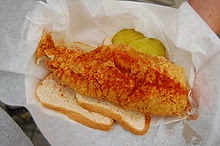
Hot chicken or Nashville hot chicken is a type of fried chicken that is a local specialty of Nashville, Tennessee, in the United States. In its typical preparation, it is a portion of breast, thigh, or wing that has been marinated in a water-based blend of seasoning, floured, fried, and finally sauced using a paste that has been spiced with cayenne pepper. It is served atop slices of white bread with pickle chips. It is both the application of a spicy paste and the presentation that differentiates it from similar dishes, such as Buffalo wings. It can be viewed in similar context to other foods that have been tweaked to be unique in a regional way, such as the slugburger or the Mississippi Delta tamale.

There are many restaurants in Nashville that serve a variant of the dish, and there is a city-wide festival and competition commemorating it. The popularity of hot chicken has spread beyond the Southern United States due to the influence of Nashville's music industry. At least one restaurant in Michigan, Zingerman's Roadhouse in Ann Arbor, now serves the dish.


Although the components of the dish largely remain the same, the preparation of the dish can differ greatly. A pressure fryer or deep fryer can be used, although most restaurants serve a pan-fried product. Nearly all hot chicken is marinated in buttermilk to impart flavor and to retain the meat's juices upon frying. Some preparations of hot chicken are breaded and fried after application of the spice paste; the more traditional method has the paste applied immediately after the chicken is removed from the fryer.

A typical Nashville-style hot chicken spice paste has two key ingredients: lard and cayenne pepper. The two are mixed together, three parts pepper to one part lard, and heated until they form a thick sauce. Some restaurants vary the composition of the paste, adding sugar, garlic, or additional hot sauce. The paste is applied to the fried chicken by the server using a spoon and latex gloves; it is lightly squeezed into the finished chicken by hand. The heat level of the chicken can be varied by the preparer by reducing or increasing the amount of paste applied.


The main variation to traditional hot chicken is in the application of the spice paste: before breading or after breading, and whether or not additional spices are applied. Recipes, cooking methods, and preparation steps for hot chicken are often closely guarded secrets, proprietary to the specific restaurant, so the look of the chicken may vary widely.


Nashville-style hot fish

A variation of the hot chicken theme is hot fish, typically a breaded and fried whiting or catfish filet prepared using a similar cayenne paste as hot chicken, or using a cayenne powder blend sprinkled liberally over the filet. Some hot chicken restaurants also serve hot fish, but recently some have begun to specialize in hot fish only.


Hot chicken strip on a stick

Anecdotal evidence suggests that spicy fried chicken has been served in Nashville for generations. The current dish may have been introduced as early as the 1930s, however, the current style of spice paste may only date back to the mid-1970s. It is generally accepted that the originator of hot chicken is the family of Andre Prince Jeffries, owner of "Prince's Hot Chicken". She has operated the restaurant since 1980; before that time, it was owned by her great-uncle, Thornton Prince. Although impossible to verify, Jeffries says the development of hot chicken was an accident. Her great-uncle Thornton was purportedly a womanizer, and after a particularly late night out his girlfriend at the time cooked him a fried chicken breakfast with extra pepper as revenge. Instead, Thornton decided he liked it so much that, by the mid-1930s, he and his brothers had created their own recipe and opened the BBQ Chicken Shack café.

Ironically, what began as breakfast revenge is now considered to be a staple food for late-night diners. On weekends, most restaurants dedicated to hot chicken are open very late (some past 4 am). As of 2013, fourteen Nashville restaurants serve hot chicken, either as the focus or as part of a larger menu. For a time, country music stars Lorrie Morgan and Sammy Kershaw owned and operated a now-defunct hot chicken restaurant called "hotchickens.com". The former mayor of Nashville Bill Purcell is a devoted fan, sponsoring the Music City Hot Chicken Festival and giving numerous interviews touting the dish. While in office, he frequently referred to his table at Prince's Hot Chicken as his "second office".


Thursday, October 2, 2014

Weekend of Fire - October 4 & 5, 2014

If your a fan of Heat and Hot Sauce this coming weekend is for you! Can you stand the heat, it's the annual Weekend of Fire!


Weekend of Fire - October 4 & 5, 2014


The Weekend of Fire is a wild weekend filled with fun, food and contests. Over 50 vendors and more than 300 samples will be waiting for you in this Fiery Foods Show! There will be vendors coming from all over the country ready to sample their hottest foods. They’ll have sauces that range from mild to wild, including ones that might make you believe your mouth is on fire. The sauces aren’t the only wild things in this show - wait until you see the people, costumes and booths! The hot sauce community is outrageous, bodacious and contagious!


The Weekend of Fire is an amazing place for hot sauce lovers, but there is so much more. As you go booth to booth, you’ll try many hot sauces (from mild to wild), but you’ll also find BBQ sauces, salsas, rubs, mustard, spices and even more. If the food can be hot, there is a good chance you’ll find it here.


New This Year - Hot Sauce King and Queen

Weekend of Fire 2014 is looking for its Hot Sauce King and Queen! Festival attendees wearing their most creative, original, and of course, spicy food themed costumes will have a chance at the crown.

Come dressed to impress on the weekend of the show. Judges will be walking around the show to choose a spicy duo for King and Queen. Winners will be announced on both Saturday and Sunday, so come prepared! This is an opportunity to have fun - it’s not an official competition or pageant; judges are on the look out for the best dressed.

The new Kings and Queens will enjoy the spoils of their triumph. Victors will not only hold the title of King or Queen until the next show, but they will also receive some blazing prizes: a basket of goodies and a $50 gift certificate for Jungle Jim’s!


The Oscar Event Center at Jungle Jim’s
5440 Dixie Highway
Fairfield, OH 45014
513-674-6055


http://www.junglejims.com/weekendoffire/

Tuesday, September 9, 2014

It's all about the Chicken! - Chicken Buffalo Wings

A bowl of hot Buffalo wings

A Buffalo wing, Buffalo chicken wing, hot wing, or wing, in the cuisine of the United States, is a chicken wing section (wingette or drumette) that is generally deep-fried, unbreaded, and coated in vinegar-based cayenne pepper hot sauce and butter in the chicken. They are traditionally served hot, along with celery sticks and/or carrot sticks with blue cheese dressing for dipping.


Cayenne pepper hot sauce and melted butter or margarine are the basis of the sauce, which may be mild, medium, or hot. Typically, the wings are deep-fried in oil (although they are sometimes grilled or baked) until they are well browned. They are then drained, mixed with sauce, and shaken to coat the wings.


There are several different claims about how Buffalo wings were created.

One of the more prevalent claims is that Buffalo wings were first prepared at the Anchor Bar in Buffalo, New York, by Teressa Bellissimo. who owned the bar along with her husband Frank. Several versions of the story have been circulated by the Bellissimo family and others:

* Upon the unannounced, late-night arrival of their son, Dominic, with several of his friends from college, Teressa needed a fast and easy snack to present to her hungry guests. It was then that she came up with the idea of deep frying chicken wings (normally thrown away or reserved for stock) and tossing them in cayenne hot sauce.

* Dominic Bellissimo (Frank and Teressa's son) told The New Yorker reporter Calvin Trillin in 1980: "It was Friday night in the bar and since people were buying a lot of drinks he wanted to do something nice for them at midnight when the mostly Catholic patrons would be able to eat meat again." He stated that it was his mother, Teressa, who came up with the idea of chicken wings.
* There was mis-delivery of wings instead of backs and necks for making the bar's spaghetti sauce. Faced with this unexpected resource, Frank Bellissimo says that he asked Teressa to do something with them.
However, a long article about the Anchor Bar in a local newspaper in 1969 does not mention Buffalo wings.

Another claim is that a man named John Young served chicken wings in a special "mambo sauce" at his Buffalo restaurant in the mid-1960s. His wings were breaded. Young had registered the name of his restaurant, John Young's Wings 'n Things, at the county courthouse before leaving Buffalo in 1970.

Marketing materials for Frank's Red Hot claim that it was the hot sauce used in the Bellissimos' original recipe.


A cook preparing Buffalo wings


The city of Buffalo officially declared July 29, 1977, to be Chicken Wing Day.

Buffalo wings have become a popular bar food and appetizer across the United States and Canada. Large franchises specializing in Buffalo wings have emerged, notably Buffalo Wild Wings founded in 1982. As the market got larger, restaurants began to use a variety of sauces in addition to buffalo sauce. These sauces generally take influences from Chinese, Japanese, Caribbean, and Indian cuisines. Because of the mess caused by eating Buffalo wings, it is now common for restaurants to offer boneless wings that can be eaten with a fork. These are essentially chicken nuggets coated or spun in sauce. Many American-style restaurants in other countries will offer Buffalo chicken wings on their menus, especially if they also function as a bar.

Buffalo wings are used in competitive eating events, such as Philadelphia's Wing Bowl and at the National Buffalo Wing Festival. It has also become commonplace for restaurants to offer a contest featuring a customer eating a certain number of wings, coated in their hottest sauce. Many bars and restaurants intentionally create an extra-hot sauce for this purpose, and customers are usually rewarded with a picture on the wall or free meal.


The appellation "Buffalo" is also now commonly applied to foods other than wings, including chicken fingers, chicken fries, chicken nuggets, popcorn chicken, shrimp, and pizza that are seasoned with the Buffalo-style sauce or variations of it.

The flavor of Buffalo wings is replicated by a number of dishes. A common variation on the "buffalo" sauce flavor is found in potato chips produced by a number of different companies. Many of these "Buffalo Chips" also incorporate a blue cheese flavoring to simulate the complete Buffalo wing experience.

Today, there are many flavors of prepared wings (wingettes and drumettes) available, besides the original hot Buffalo style. Flavors include barbecue, lemon pepper, pepper Parmesan, garlic, sweet-and-sour, and honey mustard. Since the first introduction, restaurants have introduced hundreds of different flavors of chicken wings.